Chronic joint pain has a way of creeping up on you. Unlike rolling an ankle or pulling a muscle during a specific moment, most long-term joint and tendon issues develop quietly over weeks or months. One day you notice a niggle. Then it becomes something you work around. Eventually, it starts dictating what you can and can’t do.
The frustrating part? It often doesn’t feel like you did anything wrong.
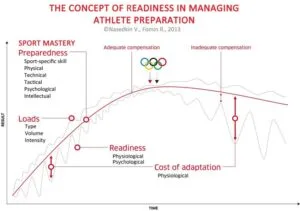
But chronic pain rarely appears out of nowhere. In most cases, it’s the result of poor load management – your body was asked to do more than it was currently prepared to handle. The specific joint or tissue might differ, but the underlying drivers are remarkably consistent.
Most chronic joint pain comes down to one or more of four factors.
The Four Major Contributors to Chronic Joint Pain
You Did Too Much
This is the most obvious one, but it’s worth clarifying. Too much doesn’t mean you overtrained in general – it means you exceeded what your body was currently conditioned to tolerate. That might be a rapid spike in training volume, a weekend tournament where you played seven games in four days, or a sudden lifestyle change that ramped up your activity level without warning. Your tissues simply weren’t ready for that much, that fast.
You Progressed Too Soon
Progression is essential for improvement, but it needs to be gradual. If you jump from jogging to sprinting, or add explosive movements before you’ve built the foundation, tissues don’t have enough time to adapt. This applies to intensity, speed, complexity, and volume. The issue isn’t that you were trying to improve – it’s that the jump was bigger than your system could absorb.
You Were Away Too Long
Extended breaks from a specific activity reduce tissue capacity. If you’ve been off running for months and then try to pick up where you left off, you’re placing significant stress on a deconditioned system. This doesn’t mean time off is bad – it just means your return needs to account for the time away. The longer the gap, the more conservative your reintroduction should be.
You Recovered Too Little
Tissues need time to repair and adapt between sessions. If you’re training hard without adequate rest, the damage accumulates faster than the repair process can keep up. This doesn’t always feel like overtraining in the moment – it builds quietly in the background until something starts to hurt.
What Good Rehab Actually Achieves
Pain relief matters, but it’s not the only goal. Effective rehabilitation should reduce pain and limit flare-ups, support a safe and timely return to activity, minimise the risk of re-injury during that return, and restore function and performance to where you were before – or better.
Throughout the process, you need to monitor for warning signs, manage training load and external stressors, refine movement patterns that are efficient and repeatable, and establish solid foundations before adding load or speed. That last part is where most people rush.
Warning Signs: When to Pause and Investigate
Not all pain is the same. Some symptoms suggest something more serious is happening and require immediate medical attention. Others reflect psychological or social factors that can slow recovery if left unaddressed.
Red Flags
Red flags may indicate infection, inflammation, neurological compromise, or systemic disease. The acronym TUNA-FISH summarises the key ones: trauma or thoracic pain, unexplained weight loss, neurological signs or non-mechanical pain (including unremitting night pain, bladder or bowel changes), age factors (under 20 or over 55, or significant morning stiffness), fever or significant loss of flexion, intravenous drug use, long-term steroid use, and history of cancer.
If any of these are present, further investigation is essential before continuing training or rehabilitation.
Yellow Flags
Yellow flags aren’t diagnoses, but they can significantly influence outcomes if ignored. These include beliefs that pain or activity are harmful, prolonged rest or avoidance behaviours, low or persistently negative mood, social withdrawal, reliance on treatments not aligned with best practice, difficulties with healthcare providers or compensation systems, previous episodes of pain or time off work, work dissatisfaction or high job stress, and family dynamics that are either overly protective or under-supportive.
These factors don’t make the pain less real – they just mean recovery will likely benefit from addressing the psychological and social context alongside the physical rehab.
What Influences Joint Pain
Some factors are easier to change than others. Understanding which is which helps you prioritise where to focus.
Intrinsic factors originate within you and often take longer to modify. These include structural differences like alignment variations, foot posture, tibial torsion, or leg length discrepancy, muscular factors such as weakness, imbalance, or restricted range of motion, physical characteristics like body size, composition, and sex, and biological factors including genetics or metabolic conditions.
Extrinsic factors are external and often easier to adjust. These include lifestyle influences like stress, sleep, nutrition, and hydration, training variables such as volume, intensity, sudden increases, new activities, and fatigue, technical factors like movement quality, footwear, and surface conditions, recovery practices including rest periods and sleep quality, and environmental factors like equipment and climate.
This doesn’t mean intrinsic factors are destiny – it just means they require a longer, more strategic approach.
How Tendon Pain Typically Behaves
Tendon-related joint pain often follows predictable patterns. You’ll notice stiffness at the start of activity that improves as you warm up, increased soreness or stiffness later in the day, and morning stiffness following the previous day’s activity.
Symptoms commonly worsen with faster or more explosive movements, higher training volumes, activities that demand elastic energy storage (like jumping or rapid direction changes), and positions where the tendon is compressed against bone.
Understanding these patterns helps you identify what’s aggravating your symptoms and what you can continue doing safely.
What Makes Symptoms Worse
Several variables consistently increase symptoms and should be managed carefully during rehabilitation. Speed of movement tends to be more provocative than slow, controlled work. Total training volume matters more than most people realise – even low-intensity sessions add up. High energy storage demands on tendons (think plyometrics or sprinting) require tissues to be well-conditioned. And repeated compression of the tendon against bone (common in certain positions or movements) often triggers a flare-up.
Overload in Practice
Sometimes it helps to see what this looks like in real life.
Acute overload might be an athlete who usually trains twice per week participating in a tournament and playing seven 90-minute games across four days. That’s a sharp spike in activity over a short timeframe, well beyond what their tissues were conditioned to handle.
Chronic overload might be an athlete who takes several months away from running or sport, then resumes training one week before preseason with high-intensity sessions from day one. The system was deconditioned, and the load was too much, too soon.
Both scenarios create the same problem – demand exceeded capacity.
How Symptoms Affect Performance
As joint or tendon symptoms increase, performance typically declines in predictable ways. Sprinting ability drops off first, followed by acceleration capacity. Tolerance to specific positions or movements decreases, and overall training and playing capacity reduces. These aren’t random – they reflect the tissue’s current capacity to produce and absorb force.
Rehabilitation Principles
Effective rehab is sport-specific. That means identifying the highest loading movements in your activity (sprinting, jumping, landing, changing direction), determining which joints and tendons are most stressed during those movements, and maintaining overall fitness and strength while appropriately offloading the affected tissue.
You can’t just rest and hope things improve. You need to maintain what you can while strategically managing what you can’t.
Monitoring Recovery
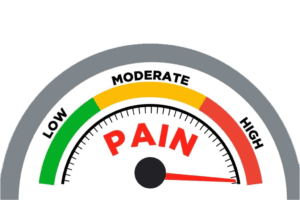
Two factors must always be monitored to ensure a tendon or joint is coping with current loading: function and pain.
Function means the tissue should maintain or improve its ability to produce force and tolerate load. Pain should not be increasing – ideally, it should feel the same or better after training sessions.
For short-term monitoring (24-hour response), perform a daily load response test at the same time each day, typically 30 to 90 minutes after waking. This might be calf raise holds, hops, decline squats, adduction squeezes, or bridges depending on the joint involved.
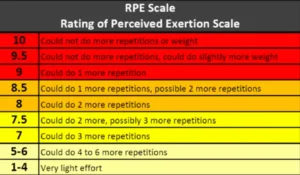
For long-term monitoring (weeks to months), use symptom diaries or questionnaires, track pain levels and functional capacity, monitor confidence, mood, and readiness to train, and record weekly activity levels and training load.
This gives you objective feedback on whether you’re progressing or pushing too hard.
Load Management in Practice
Different tendons require different monitoring strategies. For patella tendon issues, monitor landings and jumps per session or week. For Achilles tendon issues, monitor accelerations or running volume per session or week.
Progression should be slow and controlled. Change only one variable at a time, match training demands to current capacity, consider both loading rate and intensity, and increase volume gradually.
The Rehabilitation Stages
Tendons typically require 48 to 72 hours to recover from significant loading. Rehabilitation should respect this cycle.
Stage 1 focuses on pain control. Use isometric exercises to reduce pain and settle symptoms. These can be performed multiple times per day without overloading the tissue.
Stage 2 introduces strength and range. Add strength exercises through range while continuing isometrics. Sessions are alternated across the week to allow adequate recovery.
Stage 3 progresses to elastic function and speed. This is where plyometrics and running are reintroduced, starting with controlled intervals and carefully monitored volume.
Stage 4 is the return to sport. Gradually reintegrate team training and competition while maintaining strength, recovery, and monitoring strategies.
Each stage builds on the previous one. Skipping ahead invites setbacks.
Final Thought
Chronic joint pain is frustrating, but it’s rarely mysterious. Most cases come down to load management – too much, too soon, too long away, or too little recovery. The solution isn’t to avoid movement. It’s to rebuild capacity systematically, monitor your response, and progress with intention rather than hope.
That’s how you get back to training pain-free and stay there.