
Blog: Pain Management Fundamentals: Move Better, Train Pain-Free

Load Management 101: How To Avoid Pain, Injury & Frustration

In the world of athletic performance, the difference between good and great often comes down to one critical factor: load management. At Resilience Rehab, we've developed comprehensive models for training, rehabilitation, and performance that embrace a simple philosophy - no fluff, just results. This integrated approach addresses everything from breathing and floor work at the foundational level through to high-intensity plyometrics and sport-specific training at the advanced stages. But before we can effectively implement these systems, we need to understand a crucial concept: athletic readiness.
load management and readiness in training
Picture of Hayden Egerton

Hayden Egerton

Hayden Egerton is the founder of Resilience Rehabilitation & Performance and creator of the Pain Codex Model, specialising in pain science, performance rehabilitation, and systems-based solutions for athletes, professionals, and training environments.

In the world of athletic performance, the difference between good and great often comes down to one critical factor: load management. At Resilience Rehab, we’ve developed comprehensive models for training, rehabilitation, and performance that embrace a simple philosophy – no fluff, just results. This integrated approach addresses everything from breathing and floor work at the foundational level through to high-intensity plyometrics and sport-specific training at the advanced stages. But before we can effectively implement these systems, we need to understand a crucial concept: athletic readiness.


How Readiness Impacts Load Management


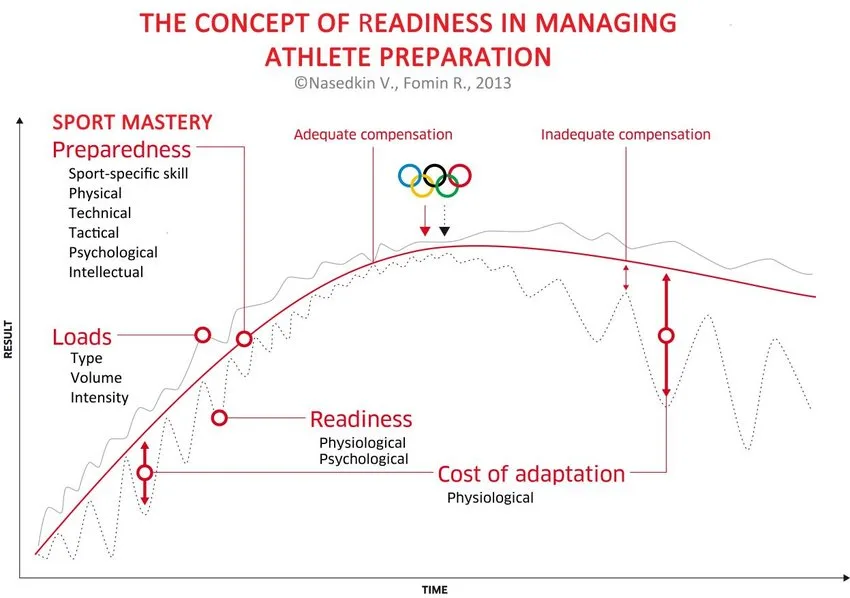
Readiness refers to the fluctuating capacity of the body to tolerate training stress. It represents the gap between what you could potentially do at your peak and what you can currently do based on your present physiological state.


This concept is often illustrated by the stress–adaptation “sweet spot” curve. Too little stress fails to trigger adaptation, while too much stress creates a harmful dose. The optimal zone lies between these two extremes, but importantly, this zone is not fixed. It shifts daily based on multiple internal and external factors.


Optimal performance occurs when stress and recovery are balanced. Along the performance–stress curve, several states can be identified:


  • Lame – inactive, disengaged, and under-stimulated (too little stress)
  • Healthy – motivated, focused, and appropriately challenged (optimal stress)
  • Fatigued – overloaded, exhausted, and under-recovered (too much stress)
  • Sick – burnout, breakdown, anxiety, or injury (harmful stress levels)


The key insight is that training capacity fluctuates from day to day. When the gap between potential capacity and current capacity is small, you are fresh, strong, and at lower injury risk. As this gap widens, performance declines and injury risk rises.


Assessing Readiness for Effective Load Management


Readiness assessment must consider multiple physiological systems that contribute to performance and recovery:


  • Central nervous system (CNS)
  • Autonomic nervous system (ANS)
  • Endocrine system
  • Neuromuscular system
  • Cardiopulmonary system
  • Sensorimotor system
  • Metabolic systems


Different training stimuli stress these systems in different ways, and recovery timelines vary significantly between individuals. For this reason, the most practical approach prioritises short-term, high-impact systems, knowing that longer-term adaptations tend to follow as a consequence.


In high-performance settings, readiness may be assessed using objective measures such as heart rate variability (HRV), heart rate recovery (HRR), reactive strength index (RSI), jump metrics, or grip strength testing. While useful, these tools are not essential for most people.


For the majority of athletes, a simple daily subjective questionnaire is both practical and effective. Tracking factors such as sleep quality, muscle soreness, energy levels, and overall recovery provides surprisingly reliable insight into readiness.


Rather than chasing a “perfect” score, the goal is to establish personal normal ranges. Persistently low scores suggest training demands are excessive, while consistently high scores may indicate insufficient challenge. The ideal zone is a mix of medium to high readiness scores, reflecting an effective balance between stress and recovery.


Proper Load Management: Planning Your Training


Effective load management begins with a simple question: what adaptation are you trying to create? From there, planning works backwards:


  • What physiological environment drives that adaptation?
  • What exercises or training conditions create that environment?
  • How can those conditions be maintained safely within a session?


This approach blends two complementary ways of thinking.


Top-Down Planning (Outcome-Focused)
  • Long-term vision and outcomes
  • Assumes predictability
  • Analytical and metric-driven
  • Often struggles with human variability


Bottom-Up Planning (Process-Focused)
  • Minimum viable program
  • Starts from current capacity
  • Requires an end goal but prioritises present readiness


Outcome goals provide direction but are largely uncontrollable. Performance goals are mostly controllable. Process goals are fully controllable and form the backbone of sustainable progress.


Making Load Management Decisions When Uncertain


When training decisions feel unclear, a conservative bias is often the safest option. Several guiding principles apply:


  • Progress can be ruined by adding too much, too soon
  • Progress is not harmed by being conservative and building gradually
  • Training sessions should finish feeling like more was possible
  • No adaptation is worth an excessively high cost


Sustainable improvement comes from consistency, not from chasing maximal sessions. When readiness is high, apply a strong stimulus. When readiness is low, reduce load, maintain capacity, and prioritise recovery.


Load Management in Practice


The Pain Codex planning approach provides a structured framework for managing training blocks with defined phases, focus areas, and progressive objectives. Each phase builds on the previous one while readiness is continually monitored.


This method allows adaptation to occur without accumulating excessive stress, reducing the risk of injury, stagnation, or burnout.


By understanding your body’s fluctuating capacity for stress, assessing readiness consistently, and aligning training load with both process and outcome goals, performance can be optimised while minimising injury risk.

 

Share:

More Posts

Pain level gauge with colour indicators

Understanding Chronic Pain: Why It Persists and What Actually Helps

Chronic pain is confusing. It often doesn’t make sense. You might have been told nothing is structurally wrong, yet the pain is real and persistent. Or you’ve tried rest, treatment, and everything in between, but symptoms keep returning. The most frustrating part? The explanations you’ve been given probably haven’t helped you understand why this is happening or what to do about it.

Man with joint pain holding back of ankle

Joint Pain 101: 4 Reasons Your Joints Are Painful

Chronic joint pain can significantly impact athletic performance and quality of life. Unlike acute injuries that occur suddenly, chronic injuries develop gradually over time due to repeated stress on muscles, tendons, and joints. This guide explores the causes, warning signs, and most effective rehab strategies for chronic joint pain and injuries.

Man stressed at work. Science-based approaches to stress management in today's fast-paced environment.

Stress Management 101: How To Transform Progress

In today’s fast-paced world, stress has become an inevitable part of our daily lives. Whether it’s work pressure, relationship challenges, financial concerns, or health issues, stress affects us all in various ways. But what exactly is stress, and how does it impact our bodies and minds? Based on the Pain Codex Model, this article delves into the science of stress management, offering insights into how we can better understand and handle stress in our lives.

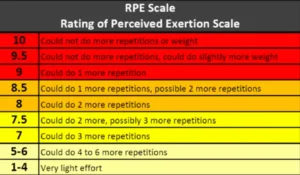
RPE Scale (Rating of Perceived Exertion) showing training intensity levels from red to yellow. Guide to optimising workouts through proper intensity management.

RPE: How To Unlock Extraordinary Training Results

Training intensity is one of the most misunderstood aspects of fitness programming. Whether you’re lifting weights for strength, muscle growth, or general health, understanding how hard you should be pushing yourself is crucial for long-term progress. This comprehensive guide will explore why intensity matters, how to measure it effectively using Rate of Perceived Exertion (RPE), and how to implement it accurately in your training.

Send Us A Message

Trusted by Elite, International Athletes

As Seen In:

Bold red '7 NEWS' logo
Yahoo Sports logo in purple
Title of a business publication, The Australian Business Journal
Stylish logo for The Hustler's Digest

From Amateur, To International

We’ve worked with athletes from all of these teams

Australian rugby league team logo
NSW Blues rugby league emblem
Logo featuring crowns and initials, Canberra Royals Rugby Union Team
Canberra Grammar School Logo
Wallabies logo for Australian rugby team
Canberra Raiders NRL team logo
Red shield with lion emblem, england rugby league
Rabbitohs logo featuring a leaping rabbit
Horse logo with mountains and text, ACT Brumbies Rugby Union Team
Wigan Warriors logo with lion emblem
Blue and yellow parramatta eels logo
Red dragon logo with flames, Catalan Dragons

One system. Three Pathways.​

Three distinct pathways built on the same performance and rehabilitation operating system.

Performance & Recovery

For individuals who need their body to hold up under real-life load

Performance-focused rehab and coaching for people who want to keep training while restoring capacity, confidence and long-term resilience.

Train Hard Without Quietly Making Things Worse

Stop wondering if today’s session is moving you forward or digging a deeper hole. Train with clear limits so you stay consistent without flare-ups, setbacks or regret tomorrow.

Stop Second-Guessing Your Own Body

Learn what pain actually signals so it stops running your decisions. Move and train with calm confidence instead of constant vigilance and doubt.

Rebuild What Your Body Can Handle

Managing symptoms keeps you stuck playing defence. We rebuild strength, tolerance, and work capacity so your body copes with training, work and life again.

Build Physical Reliability, Not Just Relief

Create a body that holds up under long weeks, pressure and real-world demands. Less managing, less fear, and confidence that this isn’t fragile anymore.

GYMS & CLINICS

For facilities losing members To when pain Or Injury Strikes

An in-house rehabilitation and progression system that keeps injured members training, paying and progressing inside your existing model.

Keep Members Training Instead Of Freezing Or Leaving

Stop losing members the moment pain appears. Keep them active, supported and progressing instead of pausing memberships or sending them elsewhere.

Remove Confusion For Coaches And Members

Replace mixed messages and guesswork with clear, in-class modifications and progressions everyone understands.

Reduce Drop-Offs Before They Become Cancellations

Support members at the first sign of pain, not after frustration sets in. Fewer interruptions means fewer exits.

Turn Injury Moments Into Retention Wins

Handle pain well and members stay loyal. Build trust, consistency and long-term revenue without changing your core offering.

PRACTITIONERS & COACHES

For professionals responsible for other people's bodies

Education, mentorship and CPDs that turn pain science into clear decision-making inside real-world training environments.

Make Confident Decisions Under Pressure

Stop hesitating when pain shows up mid-session. Use clear frameworks so you know what to modify, what to progress and what actually matters.

Bridge Theory And The Gym Floor

Move beyond textbook answers that don’t survive real training environments. Apply pain science without over-medicalising movement or killing momentum.

Handle Pain Conversations With Authority

Explain pain clearly so clients trust the process instead of panicking, resting unnecessarily or shopping for second opinions.

Protect Outcomes - And Your Reputation

Use systems that support long-term results, not short-term fixes. Fewer stalled clients, fewer awkward conversations and more professional confidence.

Training session in a gym setting.

Stay In Touch.

No Fluff. Just Results.